Since the discovery of liposomes in the 1960s, lipid nanoparticles (LNPs) have evolved into a mainstream drug delivery platform, playing a crucial role especially in COVID-19 mRNA vaccines and nucleic acid therapies, enabling the stable and efficient delivery of therapeutic drugs into cells. To achieve large-scale and high-quality production of LNPs, microfluidic technology is used for the preparation of LNP-mRNA formulations, while tangential flow filtration (TFF) is the core unit operation for subsequent purification, buffer exchange, and impurity removal. We can provide TFF solutions suitable for mRNA-LNP production, covering various filtration forms such as hollow fibers and flat-sheet membrane cassettes, combined with gentle pumps and optimized process parameters, balancing product integrity and production compliance, and supporting the full-process needs from process development to commercial production.
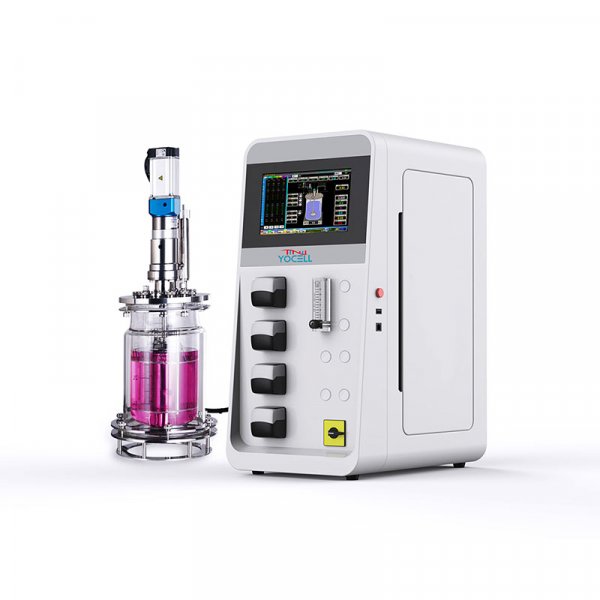
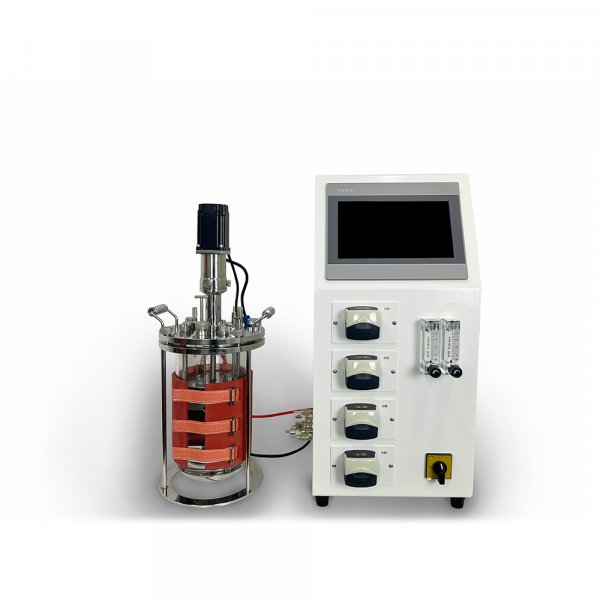
A common challenge in the bioengineering industry is: we have an excellent strain with high expression level, but the performance is far from satisfactory after scale-up cultivation. A practical check of the fermentation process reveal that the wrong type of bioreactor has been selected. This article introduces the characteristics and application scenarios of six common bioreactors to help you determine how to choose a suitable one.
Exosomes, as naturally occurring nanoparticles encapsulated within a phospholipid bilayer and measuring 30–150 nm in diameter, are rapidly emerging as a focal point in biomedical research due to their pivotal roles in intercellular communication, immune regulation, and disease progression.
Carbon is abundantly present in nature and constitutes one of the essential elements for organic organisms. It serves as the fundamental building block for various complex molecules, such as fats, steroids, hydrocarbons, and organic solvents.
Carbon nanotubes (CNTs), seamless tubular nanomaterials formed by rolling single or multiple layers of graphene sheets, have caused a sensation in the materials science community since their official discovery by Professor Sumio Ijima in 1991, thanks to their extraordinary mechanical, electrical, thermal and chemical properties. Its huge specific surface area and unique nano-scale hollow structure have enabled it to demonstrate remarkable application potential in numerous cutting-edge fields.
In the biopharmaceutical field, traditional mammalian cell culture has long dominated, but it faces challenges such as high costs and long cycles. Chapter 8 "Production of Complex Proteins in Plants: From Farming to Manufacturing" in Biopharmaceutical Manufacturing: Progress, Trends and Challenges reveals a brand-new "green production pathway" — plant cell culture technology. With its unique advantages, it has emerged as a promising candidate for complex protein production.
If you have any needs, please fill out the form below and we will contact you as soon as possible.
We use cookies on our website to give you the most relevant experience by remembering your preferences and repeat visits. By clicking “Accept”, you consent to the use of ALL the cookies.